We would love to have a chat about how we can help your business, give us a call today on 0800 028 3557, and select option four.
We are here to help you do just that.
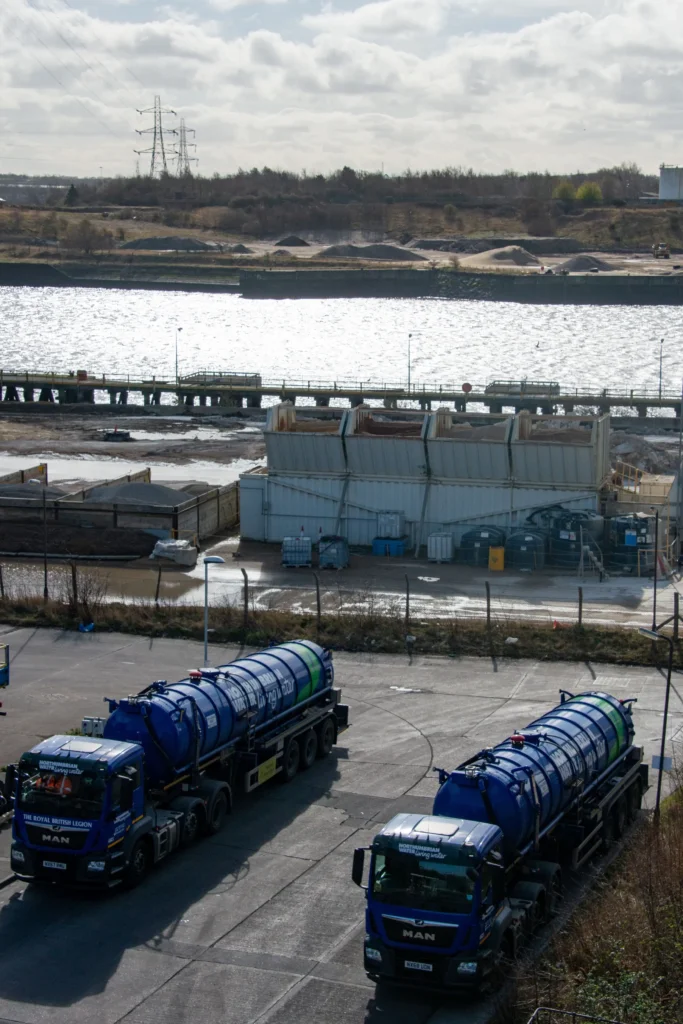
At our fully permitted site, we provide safe, compliant, and environmentally responsible solutions for managing tankered liquid waste.
We accept a wide range of liquid waste via tankers, including:
These wastes are typically unsuitable for discharge into the public sewer system or originate from sites without sewer connections.
Leachate collection services across the North East of England, providing a reliable and compliant solution for remote or unconnected locations.
Waste that cannot be treated on-site is transferred to Environment Agency-approved facilities, such as Total Water Solutions —part of Northumbrian Water — which specialises in the safe and sustainable treatment of hazardous waste.
Our tankered waste services teams have years of experience in ensuring that all tankered waste disposal is responsibly dealt with to the highest standards. All our industry-leading facilities, including Howdon and Bran Sands, Environment Agency permits stating our tankering services can treat cess and septic waste, and do so responsibly and with exemplary eco-friendly credentials.
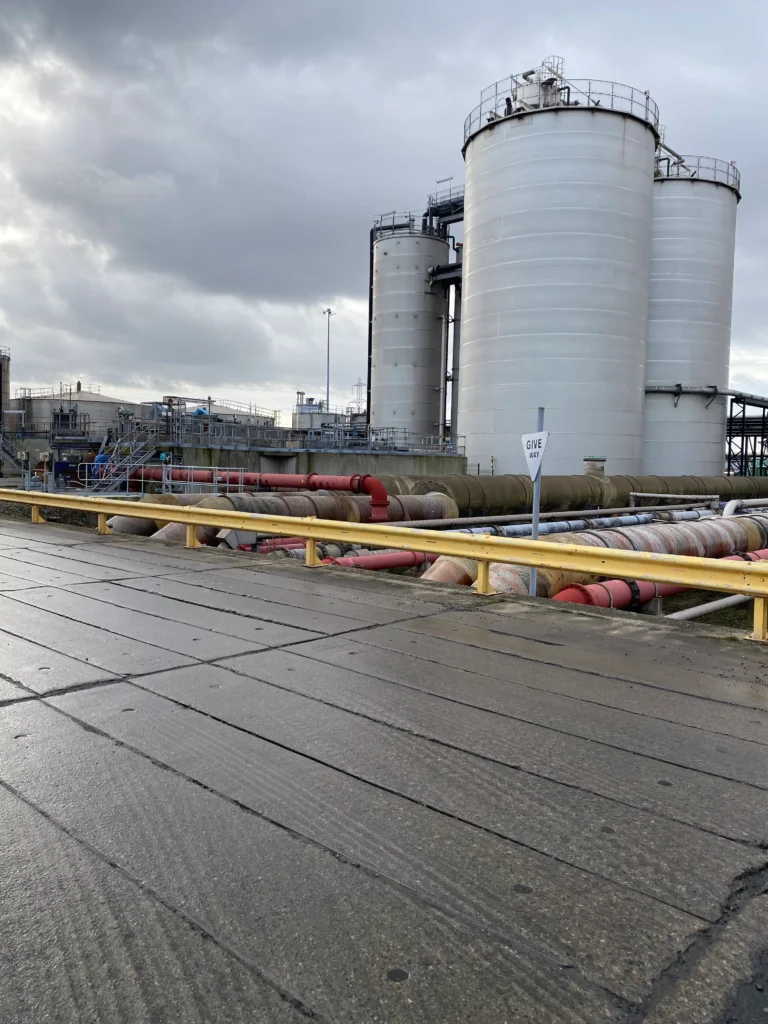
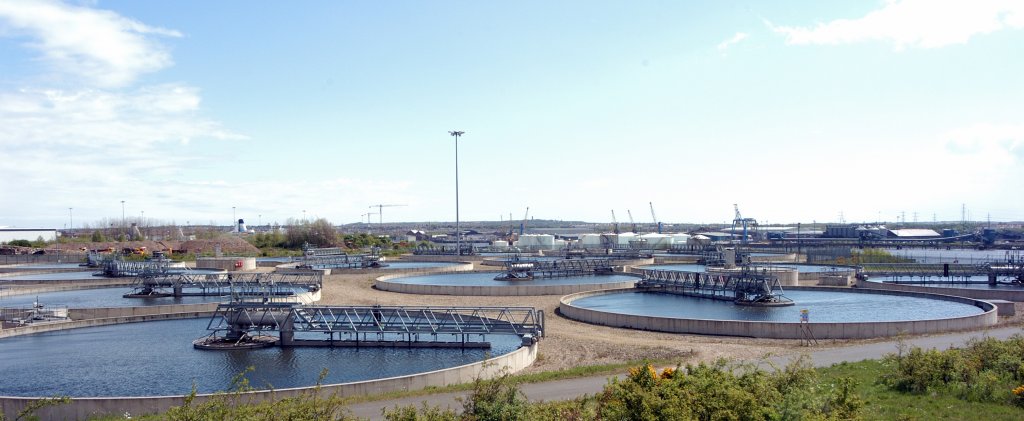
Our tankered waste treatment facilities at Howdon and Bran Sands are national leaders in sustainable practice and excellent service. We also operate a network of rural sites across the region to support local cess and septic waste treatment.
Conveniently located with easy access via the A19 and A66, Bran Sands offers a fast and efficient service for domestic, industrial, and commercial waste.
Please note: Bran Sands does not operate its own haulage services for industrial effluent or cess and septic waste, but we do offer haulage for leachate.
Strategically located with easy access via the A19, Howdon provides a reliable and streamlined tankered waste service.
Please note: Howdon does not operate its own haulage services.
To support communities across the region, we also operate a number of rural sites for cess and septic waste treatment in the following locations:
|
|
|
|
|
|
|
|
|
|
These sites provide convenient access for hauliers and local businesses, helping ensure waste is managed safely, sustainably, and cost effectively.
Please note: Our rural sites do not operate haulage services.

Cesspit and septic tank waste should be removed by a registered waste carrier and taken to a facility authorised to accept and treat it. Businesses and other waste holders should check that the organisation handling their waste has the appropriate authorisation and that the waste is transferred and described correctly. Total Water Solutions accepts cess and septic waste at its permitted treatment facilities, including Bran Sands, Howdon and a network of rural sites.
Cesspits need to be emptied regularly because they are sealed tanks and do not discharge wastewater. The required frequency depends on the size of the tank and the amount of wastewater produced. Government guidance gives monthly emptying as an example, although some sites may require collection more or less frequently depending on usage and capacity. A cesspit must not be allowed to leak or overflow.
A cesspit is a sealed underground tank that simply stores sewage until it is removed by tanker. It has no outlet and does not treat or discharge the wastewater. A septic tank provides some treatment by allowing solids to settle before the liquid effluent passes to a drainage field for further treatment in the ground. Because a cesspit stores all of the wastewater entering it, it will generally need emptying more frequently than a septic tank.
Signs that a septic system may need attention can include slow drainage, unpleasant sewage smells, wastewater backing up or areas of standing water around the drainage system. However, a tank should not be allowed to reach the point where these problems occur. Regular inspection and scheduled desludging can help prevent overflowing, pollution and damage to the drainage field.
A septic tank should be emptied before accumulated sludge exceeds the system’s capacity. Environment Agency guidance in England recommends desludging at least once a year, or more frequently where required by the manufacturer’s instructions. How often a particular tank needs emptying will depend on its capacity, the number of people or premises it serves and how heavily it is used.
Industrial liquid waste should be managed according to its composition and the risks it presents. Where suitable, contaminated water may be treated on site, reused or discharged to a foul sewer with the appropriate consent. Waste that cannot be discharged safely can be collected and transported by an authorised waste carrier to a permitted treatment facility. Businesses also have a duty of care to ensure their waste is transferred only to organisations authorised to handle it.
Industrial effluent is wastewater produced by commercial or industrial activities that differs from normal domestic sewage. It can come from processes such as manufacturing, food production, cleaning, cooling or other industrial operations, and its composition will vary depending on the activity that produces it. Because industrial effluent can contain higher concentrations of pollutants or other substances, it may require specialist treatment before it can be safely discharged or disposed of.
Complete the enquiry form below and we’ll get back to you soon.
 Video
Video